
Introduction
In Pakistan, the trend of children and teenagers under 18 using vaping devices (also known as e‑cigarettes, pods or other electronic nicotine delivery systems) is growing at an alarming rate. What was once a niche behaviour is now increasingly normalised among youth, raising serious questions for parents, educators and policymakers. This article explores the reasons behind the rise in under‑18 vaping in Pakistan: how common it is, the driving forces, and what this means for the future.
The Scale of the Problem
Recent studies and reports show that vaping among youth in Pakistan is more widespread than many believe:
-
According to the World Health Organization (WHO), nearly one in ten Pakistani teenagers aged 13‑15 has used a tobacco or vaping product. The News International+1
-
A cross‑sectional survey in Pakistan found vaping use among university students (ages ~18‑35) at 68.4%, with many starting before age 18. IJCMPH+1
-
A commentary in the Pakistani press describes the growing “epidemic” of youth vaping and warns of children as young as 12 or 13 gaining access. The News International+1
These statistics highlight that under‑18 vaping is no longer a fringe issue — it is becoming a major public‑health concern in Pakistan.
Why Are More Under 18s Trying Vapes?
Several interlinked reasons explain why children and teenagers in Pakistan are increasingly using vapes:
1. Perception of reduced harm
Many youth believe vaping is safer than smoking cigarettes. This perception lowers the barrier to trying it. For instance, a Pakistani study of young e‑cigarette users found that many started vaping because they thought it was “safer”. PMC+1
2. Flavours and product appeal
Vape devices and liquids come in a wide variety of flavours and colourful packaging. Such design features are particularly attractive to younger users. A commentary states:
“These devices come in tempting flavours like mango, berry, bubblegum … they are marketed in attractive packaging that often appeals to teens.” Business Recorder
3. Social media, peer influence & modern culture
Teenagers are heavily influenced by their peers and by online content. Vaping is often portrayed on social media (Instagram, TikTok) as “cool”, “modern” or a social activity. A local article notes that “vaping is widely promoted online … where influencers and vape shops market directly to young audiences.” Business Recorder+1
4. Easy access & weak age verification
In many places in Pakistan, lighting up a vape device is easier than one might expect. Shops may sell to younger customers, online options may bypass age checks, and regulatory oversight is minimal. For example, one Reddit post observed a 12‑13‑year‑old buying a vape from a local shop. Reddit+1
5. Device design & youth suitability
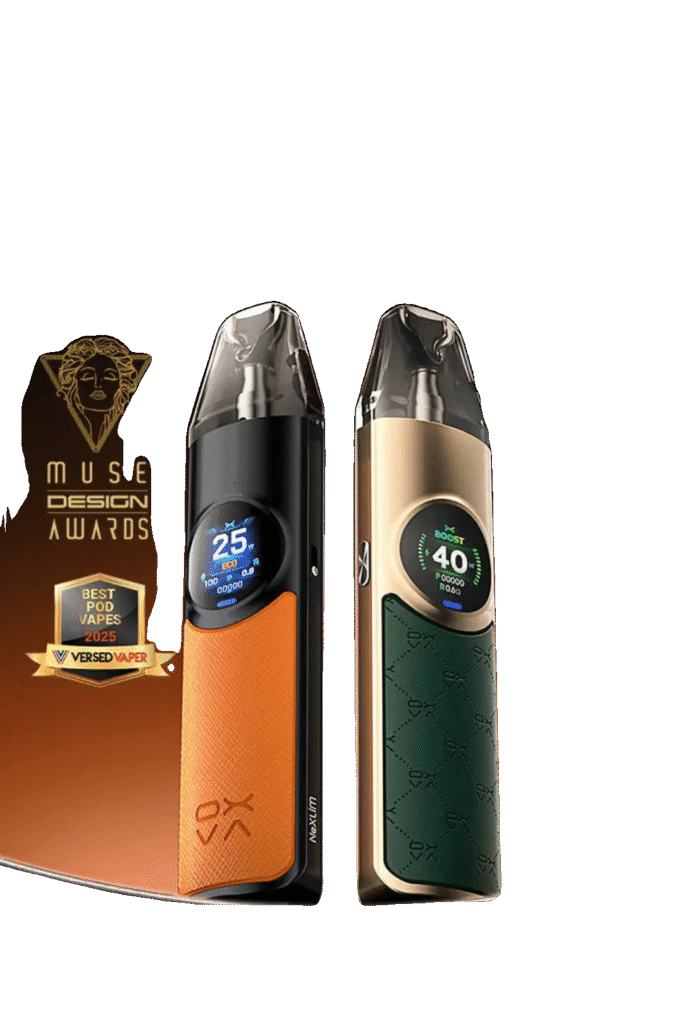
The compact, discreet design of many vapes (pod systems, disposables) makes them easy to hide and use without detection — which appeals to teenagers wanting to experiment secretly. Additionally, vape devices often cost less upfront than traditional cigarettes for lower‑income youths, making them more accessible. Vapes Direct Pk
The Implications of This Trend
This rise in under‑18 vaping carries serious consequences:
-
Addiction risk: The younger someone begins nicotine use, the higher the risk of long‑term addictive behaviour.
-
Health impacts: Even though vaping is sometimes deemed “less harmful”, e‑liquids and aerosol still contain nicotine, heavy metals, flavouring chemicals and other toxins that can affect lung, heart and brain development. Pakistani commentary already links youth vaping to lung damage and other health problems. Business Recorder+1
-
Gateway to other use: Emerging evidence from Pakistan and globally suggests that vaping in youth may lead to cigarette smoking or dual‑use.
-
Social normalisation: When many adolescents view vaping as acceptable or even desirable, it can undermine tobacco‑control efforts and create new generations of nicotine users. A study found that 48.7% of young respondents in Pakistan agreed that vaping “makes young people socially more acceptable”. panthr.org
-
Regulatory and enforcement challenges: With weaker laws and poor enforcement, the market exploits gaps, allowing under‑18s easier access.
What Can Be Done?
Addressing this trend requires action from multiple fronts:
-
Stronger laws & enforcement: Pakistan needs explicit legislation that bans sale of vaping products to under‑18s, mandates age verification, restricts marketing to youth, and regulates flavours/packaging.
-
Public awareness & education: Schools, parents and communities must be informed about the real risks, not just for adult smokers but for kids and teens.
-
Parental & school engagement: Parents should talk to their children about vaping — its risks, the pressures, the marketing influences — and schools should implement surveillance, counselling and educational programmes.
-
Monitoring & research: More Pakistan‑specific data is needed on youth vaping prevalence, patterns, health outcomes and impact of interventions.
-
Limiting youth‑oriented marketing & flavours: Banning or limiting flavours and packaging designed to appeal to children (e.g., sweet or fruity) can reduce appeal for under‑18s.
Conclusion
The increasing use of vapes by Pakistani kids under 18 is a stark reminder that nicotine products are evolving, and youth are being caught in the cross‑fire of marketing, modern culture and weak regulation. Understanding why this is happening — perception of safety, appealing flavours, peer pressure, easy access — is the first step. For parents, educators and policymakers alike, the task is to recognise the scale of the problem, intervene early, and build protective measures before a generation becomes dependent. The issue is not just “smoking for kids” — it is about how modern devices might be hooking younger users in new ways. Until we confront the causes, the trend will likely continue to accelerate.