
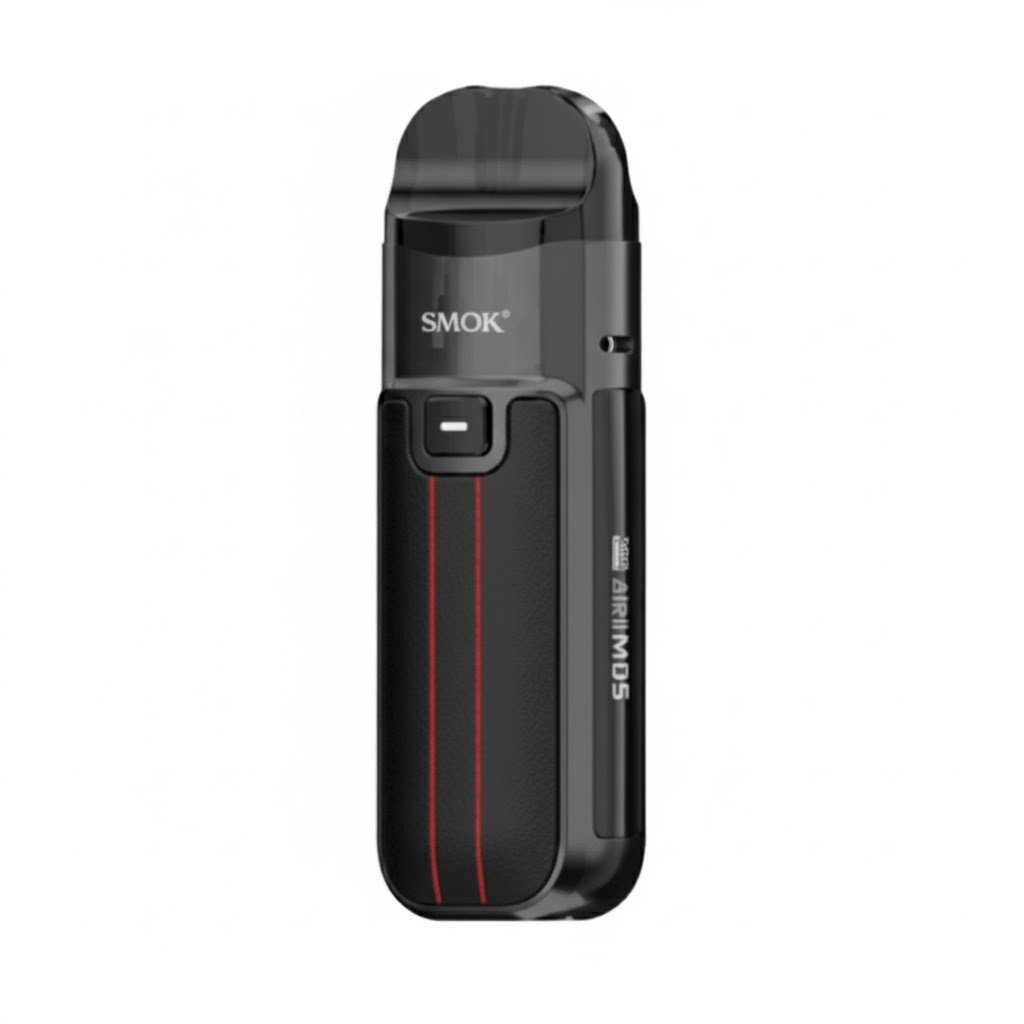
Introduction to Vaping Laws in Pakistan
Vaping has been growing rapidly in Pakistan, especially among adults looking for alternatives to cigarettes. But with its popularity comes confusion. Is it legal? Are there taxes? Can you import devices and e-liquids without trouble? These questions matter because the rules around vaping in Pakistan aren’t always clear — and they change often.
Is Vaping Legal in Pakistan?
Here’s the simple answer: Yes, vaping is legal in Pakistan.
There is no nationwide ban on selling, buying, or using vape devices and e-liquids.
However, Pakistan’s vape market operates in a grey area because the government doesn’t have a fully defined set of vaping laws like some other countries. So yes, it’s legal — but with some restrictions.
Grey Areas in Enforcement
-
Some provinces are stricter than others.
-
Certain markets may face random raids due to local crackdowns.
-
Rules may differ depending on the type of product (nicotine vs zero nicotine).
Government Stance on E-Cigarettes
Is There an Official Ban?
No official ban exists at the federal level.
Provincial-Level Variations
-
Punjab has occasionally proposed stricter vape controls.
-
Sindh has considered additional taxes but hasn’t imposed a ban.
-
KP and Balochistan follow federal policies.
Nothing is uniform — which increases confusion.
Age Restrictions
Minimum Legal Age
Pakistan generally follows an 18+ age rule for tobacco products, and many stores apply the same rule for vapes.
Penalties for Underage Sales
Shops can face:
-
Confiscation of stock
-
Monetary fines
-
Temporary business closure
Import Policies for Vapes in Pakistan
If you’re planning to import vape devices, pods, or e-liquids, here’s what you need to know:
Can Individuals Import Vapes?
Yes, but with high tax rates and strict customs checks.
Documents Required
-
CNIC
-
Shipment invoice
-
Product details (type, model, quantity)
Common Issues at Customs
-
Extra verification for e-liquid shipments
-
Delays if taxes are not paid
-
Random confiscations if labeled incorrectly
Vape Tax Policies
FED (Federal Excise Duty)
Pakistan applies FED on tobacco alternatives. This means:
-
Disposable vapes
-
Closed pod systems
-
E-liquids (nicotine or non-nicotine)
All may be taxed separately.
Customs Duty
Customs duty is charged based on:
-
HS code of device
-
Value of the shipment
How Much Tax Is Charged?
Taxes vary, but you can expect:
-
40%+ total tax on vape devices
-
50%+ tax on e-liquids, depending on nicotine strength
-
Higher charges for bulk imports
Because of fluctuating rules, exact numbers change year to year.
Local Regulations & Market Practices
Retail Shop Requirements
Shops may be required to:
-
Register as a business
-
Maintain invoices
-
Follow local safety rules
Advertising Restrictions
Pakistan limits tobacco advertising, so vape marketing often faces:
-
Social media restrictions
-
Limited outdoor advertising
-
No promotions targeted at minors
Is Online Vape Selling Legal in Pakistan?
Yes, it is allowed — but monitored.
E-Commerce Rules
Online sellers must:
-
Display correct product details
-
Avoid advertising to minors
-
Follow COD and shipment guidelines
Payment & Shipment Issues
-
Some couriers may refuse liquid products
-
Customs may hold international packages
Traveling with Vapes
Bringing Vapes into Pakistan
Airports typically allow:
-
One personal vape device
-
Limited e-liquid (usually under 120ml for personal use)
Airport Limitations
-
Avoid carrying large quantities — they can be treated as imports
-
Keep batteries in carry-on luggage
Penalties & Fines
When Can Authorities Confiscate Vapes?
-
If you’re importing too many items
-
If products aren’t properly declared
-
If you’re selling to minors
Fines for Illegal Imports
Customs may charge:
-
Heavy penalties
-
Full tax + additional surcharges
-
Confiscation of goods
Future of Vaping Regulations in Pakistan
Pakistan is expected to introduce:
-
Clearer vaping laws
-
Updated HS codes
-
Revised taxes on e-liquids
More structure is likely in the coming years as the market grows.
Tips for Vapers in Pakistan
Stay Compliant with Local Laws
-
Buy from reputable sellers
-
Avoid suspicious, unregistered products
-
Keep proof of purchase
Safe Buying Practices
-
Check authenticity codes
-
Avoid extremely cheap liquids
-
Know your importer
Conclusion
Vaping in Pakistan is legal — but it exists in a regulated yet unclear environment. While there’s no ban, taxes, customs rules, and provincial policies make it essential for consumers and sellers to stay informed. Understanding these regulations can help you avoid fines, confiscations, and low-quality products while staying fully compliant.
FAQs
1. Is vaping legal in Pakistan?
Yes, vaping is legal, with no federal ban.
2. Can I import vape devices from abroad?
Yes, but expect customs checks and high taxes.
3. What is the legal age for vaping in Pakistan?
18+ is widely recognized.
4. Are there taxes on vape liquids?
Yes, e-liquids can carry 40–50%+ total tax.
5. Can I travel with my vape to Pakistan?
Yes, for personal use with small quantities.